
Transient Receptor Potential Vanilloid 2 (TRPV2): Targeting Calcium Influx to Reduce Heart Scarring
TRPV2 is a key ion channel that drives immune activation, inflammation, and scarring after tissue injury, making TRPV2's modulation a powerful way to improve disease outcome rather than merely treating symptoms. By precisely regulating calcium influx, Ionara’s platform limits harmful inflammatory spikes, effectively guiding the body's post-heart attack immune response toward controlled repair while safeguarding essential immune function by a highly specific small-molecule candidate.
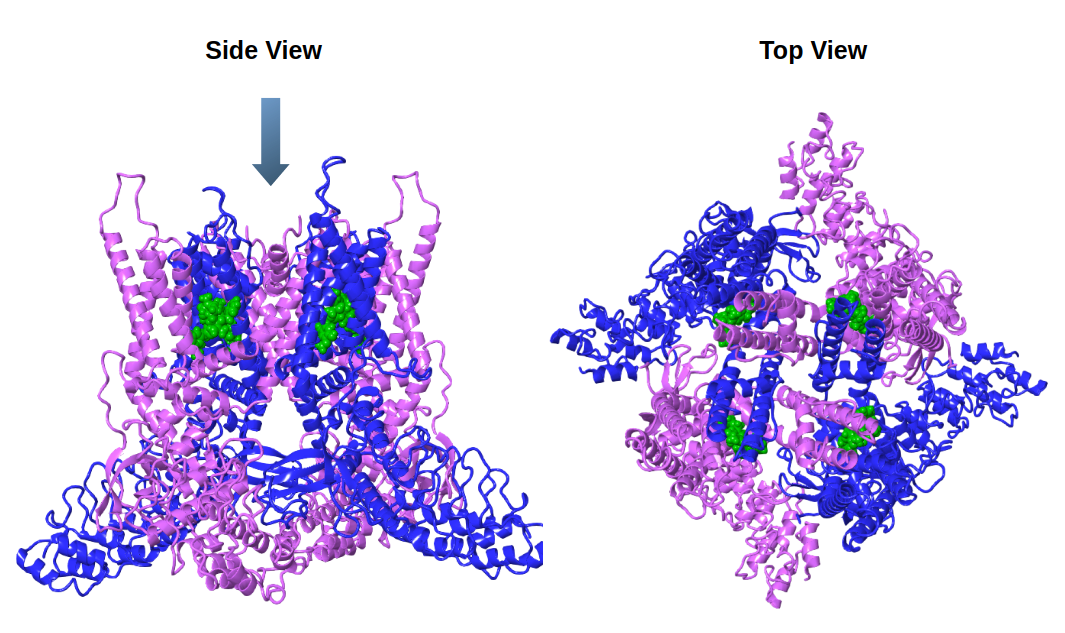
TRPV2 is a Central Driver of Post-MI Fibrosis
When a heart attack occurs, it triggers an immediate surge of inflammation, characterized by high levels of TRPV2. This intense immune response causes severe tissue scarring, forcing the heart to remodeling. This tissue damage can lead to chronic heart failure.

The Inflammatory Storm
Right after a heart attack, macrophages and other immune cells recruited into the infraction area. TRPV2 channels trigger an uncontrolled calcium influx that hyperactivates immune cells, excessive inflammation and resulting in permanent heart remodeling.
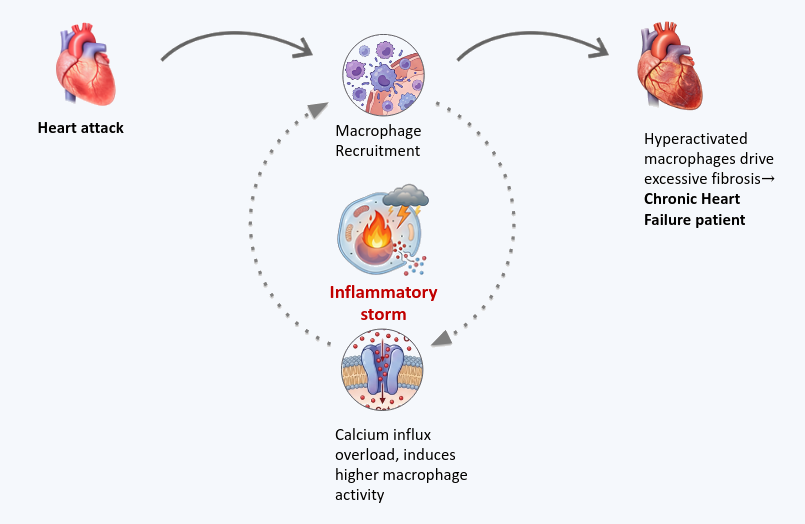
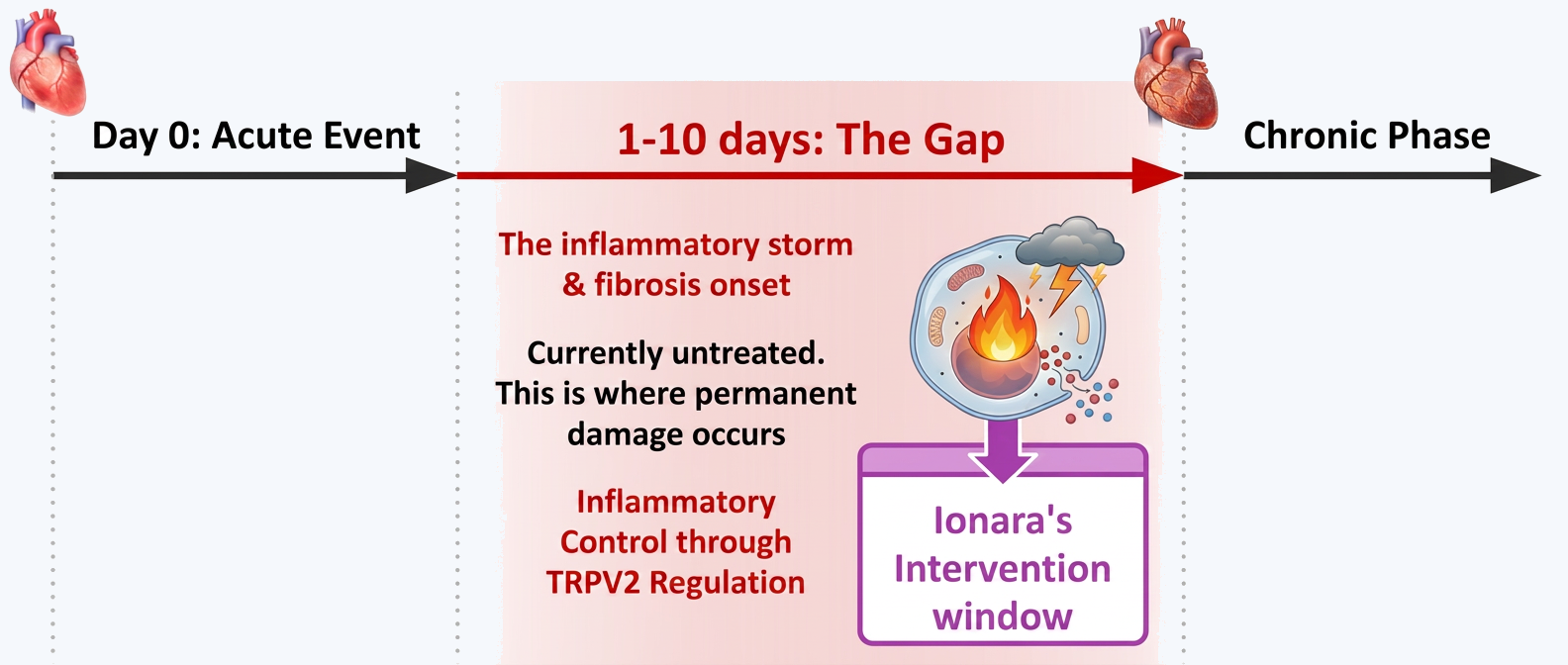
TRPV2 Inhibitor Targeting Post-MI Heart Fibrosis During the Untreated Inflammatory Window
Following MI, the first week represent a critical inflammatory window driving irreversible cardiac fibrosis. TRPV2 regulation can control inflammatory response.
TRPV2 Inhibitor Regulates Calcium and Restores Controlled Repair
- Inhibiting the TRPV2 channel, regulates Ca²⁺ influx
- Shifts inflammatory response from destructive to controlled repair
- Small molecule advantages, targeted therapy